
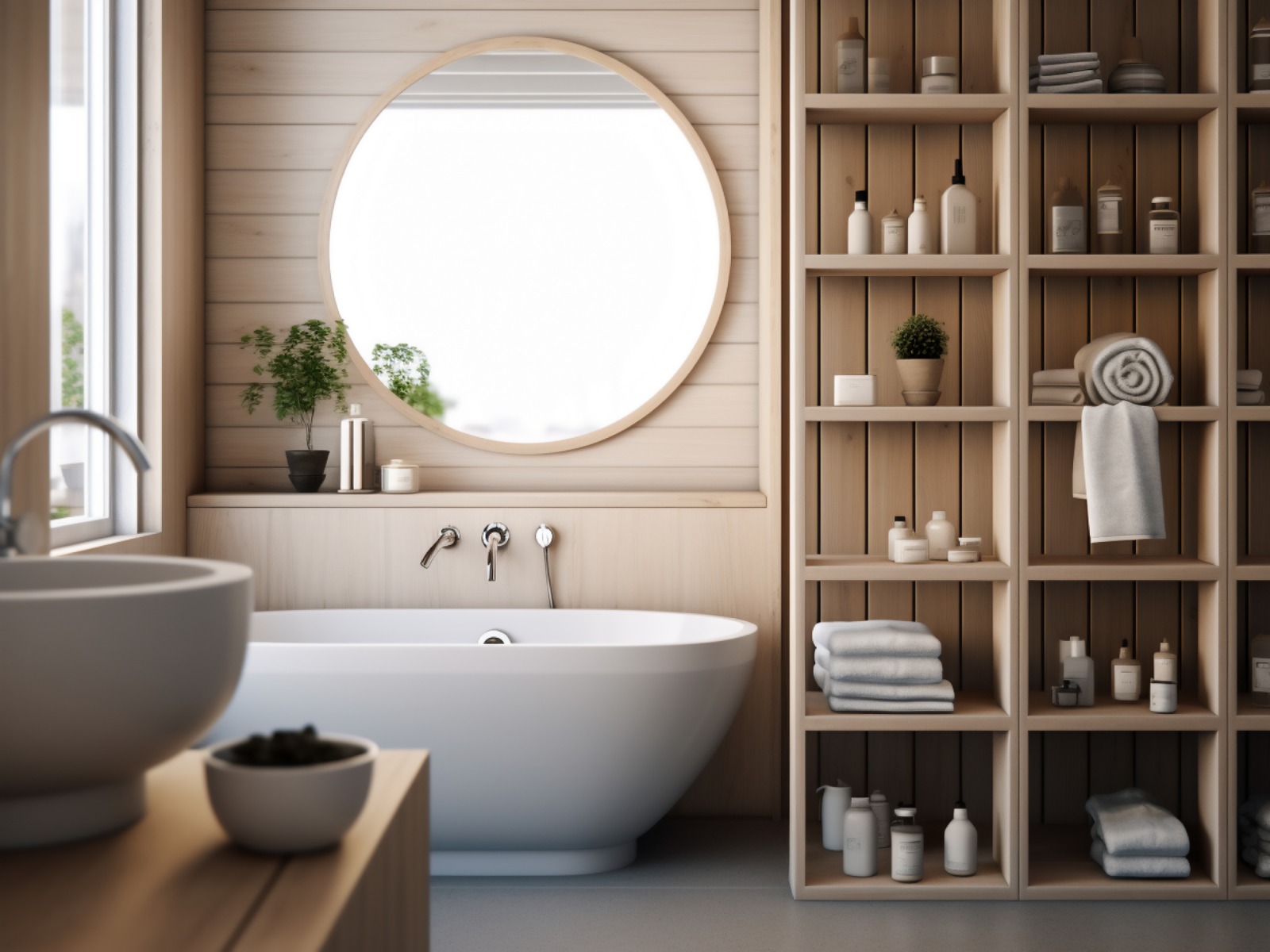
Bathroom Renovation
Renovating or building a bathroom is one of the most common home improvement projects that homeowners undertake. According to a survey conducted by the National Association of Home Builders (NAHB),
Cost Estimator
The cost of adding a bathroom in the UK market varies depending on several factors. One of the most significant factors is the type of bathroom you want to add. For instance, adding a half-bath or powder room will cost less compared to adding a full bathroom with a shower, toilet, and sink. Another factor that affects the cost is the location of the bathroom in your home. Adding a bathroom on the ground floor is generally more expensive than adding it on the upper floors.
According to HomeAdvisor, the average cost of adding a bathroom in the UK market is between £2,500 and £6,000. However, this cost can vary significantly depending on the factors mentioned above. For instance, if you are adding a full bathroom with a shower, toilet, and sink, the cost can range from £4,000 to £10,000. On the other hand, if you are adding a half-bath or powder room, the cost can range from £1,000 to £3,000.
Cost Factors (What’s Involved in Renovating or Building a Bathroom?)
Several cost factors are involved in renovating or building a bathroom. These factors include:
Plumbing
Plumbing is one of the most significant cost factors when it comes to bathroom renovations. If you are adding a new bathroom, you will need to install new plumbing lines to connect the bathroom to the main water and sewer lines. The cost of plumbing depends on the type of pipes you choose, the complexity of the project, and the location of the bathroom.
Fixtures
The cost of fixtures such as toilets, sinks, and showers can vary significantly depending on the quality and brand. High-end fixtures can cost hundreds or even thousands of pounds, while basic fixtures can cost less than £100.
Flooring
Bathroom flooring options range from tiles to vinyl, and the cost of flooring depends on the material you choose. Tiles are the most popular option, and the cost of tile flooring depends on the size of the bathroom and the quality of the tiles.
Lighting
Lighting is an essential aspect of any bathroom, and the cost of lighting depends on the type of fixtures you choose. LED lighting is the most energy-efficient option and can help you save money in the long run.
Labour
Labour costs depend on the complexity of the project, the location of the bathroom, and the experience of the contractor. Labour costs can range from £1,000 to £3,000 or more, depending on the size of the bathroom and the scope of the project.
Conclusion
In conclusion, adding a bathroom to your home is a significant investment, and the cost varies depending on several factors. The average cost of adding a bathroom in the UK market is between £2,500 and £6,000, but this can vary significantly depending on the type of bathroom you want to add, the location of the bathroom in your home, and the cost factors discussed above. Before embarking on a bathroom renovation project, it is essential to do your research, set a realistic budget, and work with a reputable contractor to ensure that your project is completed on time and within budget.
Bathroom renovations are among the most popular home improvement projects, and for good reason. A well-designed and well-executed bathroom renovation can add value to your home, enhance your quality of life, and improve the functionality and aesthetics of your bathroom. One of the most significant factors that affect the cost of a bathroom renovation is the materials used. In this article, we will discuss the cost of bathroom materials in the UK market, including the cost of a shower or tub, tiles, toilet, sink, flooring, plumbing, electrical work, new boiler, permits, and additional features.
Materials for bathroom
The cost of bathroom materials in the UK market varies depending on several factors, including the type of materials used, the size of the bathroom, and the complexity of the project. Before embarking on a bathroom renovation project, it is essential to do your research, set a realistic budget, and work with a reputable contractor to ensure that your project is completed on time and within budget.
Shower or Tub
- The cost of a shower or tub depends on several factors, including the type of shower or tub, the material used, and the brand. For instance, a basic acrylic bathtub can cost as little as £100, while a high-end soaking tub made from cast iron or marble can cost thousands of pounds. Similarly, a basic shower enclosure can cost less than £100, while a high-end custom shower enclosure made from tempered glass can cost thousands of pounds.
Tiles

- Tiles are one of the most popular materials used in bathroom renovations, and the cost of tiles depends on the type of tiles and the size of the bathroom. For instance, ceramic tiles are the most affordable option and can cost as little as £5 per square meter, while natural stone tiles such as marble or granite can cost upwards of £50 per square meter. The cost of installation also varies depending on the complexity of the project and the experience of the installer.
Toilet
- The cost of a toilet depends on the type of toilet and the brand. A basic toilet can cost less than £100, while a high-end toilet with features such as heated seats, bidets, and automatic flushing can cost thousands of pounds. The cost of installation also varies depending on the complexity of the project and the experience of the installer.
Sink
- The cost of a sink depends on the type of sink and the brand. A basic sink can cost less than £50, while a high-end sink made from materials such as marble or granite can cost thousands of pounds. The cost of installation also varies depending on the complexity of the project and the experience of the installer.
Flooring
- Bathroom flooring options range from tiles to laminate to waterproof anti-slip flooring to underfloor heating, and the cost of flooring depends on the material you choose. For instance, laminate flooring is the most affordable option and can cost as little as £10 per square meter, while natural stone or wood flooring can cost upwards of £50 per square meter. The cost of installation also varies depending on the complexity of the project and the experience of the installer.
Plumbing
- Plumbing is one of the most significant cost factors in a bathroom renovation, and the cost of plumbing depends on the complexity of the project and the location of the bathroom. If you are adding a new bathroom, you will need to install new plumbing lines to connect the bathroom to the main water and sewer lines. The cost of plumbing also includes the cost of fixtures such as showers, tubs, toilets, and sinks.
Electrical Work
- Electrical work is another significant cost factor in a bathroom renovation, and the cost of electrical work depends on the complexity of the project and the location of the bathroom. If you are adding a new bathroom, you will need to install new electrical lines to power the lights, fans, and other electrical fixtures. The cost of electrical work also includes the cost of fixtures such as lighting fixtures and heated towel racks.
Additional Features
- There are several additional features that you may want to include in your bathroom renovation, such as heated flooring, sound systems, and smart home technology. The cost of these additional features depends on the complexity of the project and the brand.
New Boiler
- If you are renovating your bathroom, you may also need to replace your boiler to ensure that it can handle the increased demand for hot water. The cost of a new boiler depends on the type and size of the boiler and can range from £1,000 to £3,000 or more.
Permits
- In some cases, you may need to obtain permits from your local council before you can start your bathroom renovation project. The cost of permits varies depending on the location and the scope of the project.
Old Bathroom Removal Cost
The cost of old bathroom removal in the UK market varies depending on several factors, including the size of the bathroom, the complexity of the project, and the experience of the contractor. On average, the cost of removing an old bathroom can range from £500 to £2,000 or more. The cost includes the removal of fixtures such as toilets, sinks, and showers, as well as the removal of flooring, tiles, and walls.

What’s Trending
When it comes to bathroom renovations, there are several trends that are popular in the UK market. These trends include:
Minimalism
- Minimalism is a popular trend in bathroom design, with many homeowners opting for clean lines, neutral colours, and simple fixtures. This trend emphasizes functionality and simplicity, and it can help make a small bathroom feel more spacious.
Natural Materials
- Natural materials such as wood, stone, and marble are becoming increasingly popular in bathroom design. These materials add warmth and texture to the bathroom and can help create a spa-like atmosphere.
Smart Technology
- Smart technology such as voice-activated lighting and temperature control, touchless faucets, and smart mirrors are becoming increasingly popular in bathroom design. These features can enhance the functionality and convenience of the bathroom.
Statement Lighting
- Statement lighting fixtures such as chandeliers and pendant lights are becoming increasingly popular in bathroom design. These fixtures can add a touch of glamour and sophistication to the bathroom.
Things to Consider

Before embarking on a bathroom renovation project, there are several things to consider:
Budget
- Setting a realistic budget is essential to ensure that your bathroom renovation project is completed on time and within budget. Be sure to factor in the cost of materials, labour, permits, and additional features.
Size and Layout
- The size and layout of your bathroom will impact the design and functionality of your renovation. Be sure to consider the size of your bathroom, the location of plumbing and electrical lines, and the placement of fixtures.
Contractor
- Working with a reputable and experienced contractor is essential to ensure that your bathroom renovation project is completed to your satisfaction. Be sure to research contractors, read reviews, and ask for references before hiring a contractor.
Timeline
Bathroom renovation projects can take several weeks or even months to complete, depending on the scope of the project. Be sure to factor in the timeline when planning your renovation and consider how long you will be without a functional bathroom.
Bathroom renovations can add value and functionality to your home, but they require careful planning and consideration. When starting a bathroom renovation project, be sure to consider the cost of old bathroom removal, what’s trending in bathroom design, and things to consider before starting your renovation. With planning, research, and the help of a reputable contractor, you can achieve the bathroom of your dreams.
Designing a good bathroom is an essential part of any home renovation. A well-designed bathroom can add value to your home, enhance your quality of life, and improve the functionality and aesthetics of your bathroom. In this article, we will discuss how to design a good bathroom in the UK market, including whether to choose a half bath or a full bath, hiring a proper contractor, and keeping the costs down.
Half Bath or Full Bath
One of the first decisions you will need to make when designing a good bathroom is whether to choose a half bath or a full bath. A half bath typically includes a toilet and a sink, while a full bath includes a toilet, sink, and shower or bathtub. The decision of whether to choose a half bath or a full bath depends on several factors, including the size of your bathroom, your budget, and your personal preferences.
If you have a small bathroom, a half bath may be the best option. A half bath can help save space and create a more open and airier feel in a small bathroom. However, if you have a larger bathroom, a full bath may be a better option. A full bath can offer more functionality and convenience, and it can help create a spa-like atmosphere in your bathroom.
When deciding whether to choose a half bath or a full bath, it is also important to consider your budget. A half bath is generally less expensive than a full bath, as it requires fewer fixtures and less plumbing. However, if you have the budget for a full bath, it can offer more value and functionality in the long run.
Hiring a Proper Contractor
Hiring a proper contractor is essential to ensure that your bathroom renovation project is completed to your satisfaction. A reputable contractor can help you design your bathroom, choose the right fixtures and materials, and ensure that your project is completed on time and within budget. When hiring a contractor, there are several things to consider:
Experience
- Choose a contractor with experience in bathroom renovation projects. A contractor with experience can offer valuable insights and advice, and they can help ensure that your project is completed to a high standard.
Reputation
- Choose a contractor with a good reputation. Check online reviews, ask for references, and research the contractor’s past projects to ensure that they have a track record of success.
Licensing and Insurance
- Choose a contractor who is licensed and insured. A licensed contractor has the necessary training and qualifications to complete your project, while an insured contractor can protect you from liability in case of accidents or damages.
Communication
- Choose a contractor who communicates well. A good contractor will keep you informed throughout the project, answer your questions, and address any concerns you may have.
Keeping the Costs Down
Bathroom renovation projects can be expensive, but there are several ways to keep the costs down:
Plan Ahead
- Plan your bathroom renovation project carefully, and consider all the costs involved. Be sure to factor in the cost of materials, fixtures, labour, permits, and any additional features you may want to include.
Choose Affordable Materials
- Choose affordable materials that fit your budget. There are many affordable options available, including ceramic tiles, laminate flooring, and acrylic bathtubs.
Choose Affordable Fixtures
- Choose affordable fixtures that fit your budget. There are many affordable options available, including basic toilets, sinks, and showers.
Repurpose Existing Fixtures
- If possible, repurpose existing fixtures to save money. For instance, you may be able to repaint or refinish your existing bathtub or sink rather than replacing it.
DIY Where Possible
Consider doing some of the work yourself to save money. For instance, you may be able to paint the walls or install the lighting fixtures yourself.
When planning a new bathroom installation, one of the questions on your mind is likely to be how long the process will take. The answer to this question often depends on several factors, including the size of your bathroom, the complexity of the project, and the availability of materials and labour. In this article, we will discuss how long a new bathroom installation may take, as well as answer some frequently asked questions about bathroom installations.
How Long Will My New Bathroom Installation Take?
A new bathroom installation can take anywhere from a few days to several weeks or even months, depending on the scope of the project. A simple bathroom installation, such as replacing a bathtub or installing a new sink, may take only a few days to complete. However, a more complex installation, such as a complete bathroom renovation, may take several weeks or even months to finish.
Factors that can affect the timeline of a bathroom installation include the size of your bathroom, the extent of the renovation, and the availability of materials and labour. Other factors that can affect the timeline include the need for permits or inspections, the complexity of the plumbing and electrical work, and any unexpected issues that may arise during the installation.
FAQ’s About Bathroom Installations
Q: How much will a new bathroom installation cost?
A: The cost of a new bathroom installation depends on several factors, including the size of your bathroom, the complexity of the project, and the materials and fixtures you choose. On average, a new bathroom installation can cost anywhere from £3,000 to £10,000 or more.
Q: Do I need permits for a bathroom installation?
A: The need for permits varies depending on your location and the scope of the project. In most cases, a permit is required for any work that involves plumbing or electrical work. Check with your local council to determine if permits are required for your bathroom installation.
Q: Can I install a new bathroom myself?
A: While it is possible to install a new bathroom yourself, it is not recommended unless you have experience in plumbing and electrical work. A bathroom installation requires knowledge of complex systems and may require permits and inspections. Hiring a professional contractor is often the best choice to ensure a successful installation.
Q: How do I choose the right fixtures for my bathroom?
A: Choosing the right fixtures for your bathroom involves several factors, including your budget, the style of your bathroom, and the functionality you desire. Work with a professional contractor to choose the right fixtures for your bathroom renovation.
Q: How can I save money on my bathroom installation?
A: To save money on your bathroom installation, consider repurposing existing fixtures or choosing affordable materials and fixtures. You can also save money by doing some of the work yourself, such as painting or installing lighting fixtures.
Conclusion
In conclusion, a new bathroom installation can take anywhere from a few days to several weeks or even months, depending on the scope of the project. Factors that can affect the timeline include the size of your bathroom, the complexity of the project, and the availability of materials and labour. To ensure successful bathroom installation, work with a professional contractor and consider your budget and desired functionality.